









Masechet Chullin is sponsored by Judi Felber in honor of the Hadran Community. “During my first cycle of Daf Yomi, just as we began Masechet Chullin, my son was injured while serving in the IDF. Throughout those two and a half months of difficulty and uncertainty, my fellow learners never left my side. With profound gratitude to the community that held me, encouraged me, and ensured I could keep up with the Daf during those trying times.”
This month’s learning is sponsored by Jonathan Loring in honor of his wife, Leah Ackner and their children Zev and Meira. “From the first day I met my wife in Hebrew class at JTS to watching her show kindness when we volunteered together to help those in need and even when I had to wait 9 years for a first date, my wife has always been an inspiration to me and everyone she meets. Thank you for these 20 years and B’Ezrat Hashem to many more! I love you wifesy.”
This month’s learning is dedicated for a refuah shleima for Pesha Etel bat Sarah
Want to dedicate learning? Get started here:

Summary

One may purchase eggs from a non-Jew if the seller explicitly specifies that they come from a particular kosher species. The Gemara asks why we cannot simply rely on the physical diagnostic signs of kosher eggs, which are: being pointed on one end and rounded on the other, and having the yolk (chalmon) on the inside with the albumen (chelbon, or white) on the outside. The Gemara explains that these signs alone are insufficient because certain non-kosher species (such as the crow) lay eggs that mimic these exact characteristics.
Regarding blood found in an egg, the halakhic status depends entirely on its location: depending on where the blood spot is positioned, one either removes the blood spot alone or is forbidden from eating the entire egg. The Gemara presents two conflicting traditions regarding which specific location (the yolk or the albumen) triggers the stricter prohibition.
The Gemara identifies the biblical source prohibiting the eggs of non-kosher birds, deriving it hermeneutically from the verse banning the “daughter of the ostrich” (bat ha-ya’anah), where the “daughter” is expounded to mean the egg of the ostrich.
Today’s daily daf tools:
Masechet Chullin is sponsored by Judi Felber in honor of the Hadran Community. “During my first cycle of Daf Yomi, just as we began Masechet Chullin, my son was injured while serving in the IDF. Throughout those two and a half months of difficulty and uncertainty, my fellow learners never left my side. With profound gratitude to the community that held me, encouraged me, and ensured I could keep up with the Daf during those trying times.”
This month’s learning is sponsored by Jonathan Loring in honor of his wife, Leah Ackner and their children Zev and Meira. “From the first day I met my wife in Hebrew class at JTS to watching her show kindness when we volunteered together to help those in need and even when I had to wait 9 years for a first date, my wife has always been an inspiration to me and everyone she meets. Thank you for these 20 years and B’Ezrat Hashem to many more! I love you wifesy.”
This month’s learning is dedicated for a refuah shleima for Pesha Etel bat Sarah
Today’s daf is sponsored by Masha and Yisroel Rotman in loving memory of Masha’s father, Solomon Maltz, Shlomo Emanuel ben Yaakov Yitzchak on his 22nd yahrtzeit. “He taught us by example what it means to love one’s fellow Jew with tolerance, consideration, and kindness.”
Chullin 64
עוּבְּרֵי דָּגִים.
fish embryos, i.e., fish eggs found in the fish’s innards.
וְתַנְיָא גַּבֵּי בֵיצִים: אֵלּוּ הֵן סִימָנֵי בֵיצִים – כָּל שֶׁכּוֹדֶרֶת וַעֲגוּלְגּוֹלֶת, רֹאשָׁהּ אֶחָד כַּד וְרֹאשָׁהּ אֶחָד חַד – טְהוֹרָה, שְׁנֵי רָאשֶׁיהָ כַּדִּין אוֹ שְׁנֵי רָאשֶׁיהָ חַדִּין – טְמֵאִין. חֶלְבּוֹן מִבַּחוּץ וְחֶלְמוֹן מִבִּפְנִים – טְהוֹרָה, חֶלְמוֹן מִבַּחוּץ וְחֶלְבּוֹן מִבְּפָנִים – טְמֵאָה, חֶלְמוֹן וְחֶלְבּוֹן מְעוֹרָבִין זֶה בָּזֶה – בְּיָדוּעַ שֶׁהִיא בֵּיצַת הַשֶּׁרֶץ.
The Gemara continues: And it is taught in a baraita about eggs that these are the signs of bird eggs: Any egg that narrows at the top and is rounded, so that one of its ends is rounded and the other one of its ends is pointed, is kosher. If both of its ends are rounded or both of its ends are pointed, they are non-kosher. If the albumen is on the outside and the yolk on the inside, it is kosher. If the yolk is on the outside and the albumen on the inside, it is non-kosher. If the yolk and albumen are mixed with each other, it is certainly the egg of a creeping animal. Therefore, if it is possible to recognize a kosher egg by these signs, there is no need to rely on the gentile.
לָא צְרִיכָא, דַּחֲתוּכוֹת. וְלִיבְדּוֹק בְּחֶלְמוֹן וְחֶלְבּוֹן? בִּטְרוּפוֹת בִּקְעָרָה.
The Gemara responds: No, it is necessary if the eggs have already been cut and one cannot know their original shape. The Gemara challenges: But let him inspect the yolk and the albumen, to see which is inside and which is outside. The Gemara responds: The baraita deals with a case where the eggs are mixed in a bowl, and it is impossible to discern this.
וּכְהַאי גַּוְונָא מִי זָבְנִינַן מִינַּיְיהוּ? וְהָא תַּנְיָא: אֵין מוֹכְרִין בֵּיצַת טְרֵפָה לְגוֹי, אֶלָּא אִם כֵּן טְרוּפָה בִּקְעָרָה; לְפִיכָךְ אֵין לוֹקְחִין מֵהֶם בֵּיצִים טְרוּפוֹת בִּקְעָרָה.
The Gemara counters: But in a case like this, where the eggs are mixed, may we buy eggs from them? Isn’t it taught in another baraita: One may sell the egg of a tereifa bird to a gentile only if it is mixed in a bowl; therefore, one may not buy eggs mixed in a bowl from them, because they may be from tereifot? If so, it cannot be that the baraita deals with a case where they are mixed, and one should be able to inspect the yolk and albumen.
אֶלָּא אָמַר רַבִּי זֵירָא: סִימָנִין לָאו דְּאוֹרָיְיתָא, דְּאִי לָא תֵּימָא הָכִי, הָא דְּאָמַר רַב אַסִּי: שְׁמֹנָה סְפֵיקוֹת הֵן – לִיבְדּוֹק בְּבֵיצִים דִּידְהוּ! אֶלָּא שְׁמַע מִינַּהּ: סִימָנִין לָאו דְּאוֹרָיְיתָא.
Rather, Rabbi Zeira said: The signs of a kosher egg are not valid by Torah law. As, if you do not say so, one encounters difficulty with that which Rav Asi says: There are eight birds whose kosher status is uncertain. Why is there uncertainty? Let one inspect their eggs for the signs listed in the baraita to determine whether they are kosher. Rather, learn from it that the signs are not valid by Torah law and one may not rely on them.
אֶלָּא לְמַאי הִלְכְתָא קָתָנֵי לַהּ? הָכִי קָאָמַר: שְׁנֵי רָאשֶׁיהָ כַּדִּין, אוֹ שְׁנֵי רָאשֶׁיהָ חַדִּין, אוֹ חֶלְמוֹן מִבַּחוּץ וְחֶלְבּוֹן מִבִּפְנִים – וַדַּאי טְמֵאָה. רֵישֵׁיהּ חַד חַד, רֵישֵׁיהּ חַד כַּד, וְחֶלְבּוֹן מִבַּחוּץ וְחֶלְמוֹן מִבִּפְנִים, וְאָמַר לָךְ שֶׁל עוֹף פְּלוֹנִי וְטָהוֹר הוּא – סְמוֹךְ עֲלֵיהּ. בִּסְתָמָא – לָא תִּסְמוֹךְ עֲלֵיהּ, דְּאִיכָּא דְּעוֹרְבָא דְּדָמֵי לִדְיוֹנָה.
The Gemara asks: But if one may not rely on these signs, with regard to what halakha is the baraita teaching them? The Gemara responds: This is what the baraita is saying: If both of its ends are rounded, or both its ends are pointed, or the yolk is on the outside and the albumen is on the inside, it is certainly non-kosher. But if one of its ends is pointed and one of its ends is rounded, and the albumen is on the outside and the yolk on the inside, and the gentile says to you that it is from such and such bird, and that bird is kosher, rely on the signs. But if he offers no specification of the type of bird, or if one simply finds eggs with these signs, do not rely on them, since there are crow’s eggs that resemble those of a pigeon.
אָמַר מָר: חֶלְבּוֹן וְחֶלְמוֹן מְעוֹרָבִין זֶה בָּזֶה – בְּיָדוּעַ שֶׁהִיא בֵּיצַת הַשֶּׁרֶץ. לְמַאי הִלְכְתָא? אָמַר רַב עוּקְבָא בַּר חָמָא: לוֹמַר שֶׁאִם רִיקְּמָה וְנִיקְּבָה בְּכַעֲדָשָׁה – מְטַמֵּא.
The Gemara analyzes the baraita: The Master said: If the albumen and yolk are mixed with each other, it is certainly the egg of a creeping animal and not of a non-kosher bird. The Gemara asks: For what halakha is this information necessary? Either way, the egg is forbidden. Rav Ukva bar Ḥama said: The baraita means to say that if tissue of an embryo developed [rikema] inside it and it was perforated, and one touched it, it transmits ritual impurity provided that the embryo is at least the size of a lentil-bulk, because the carcass of a creeping animal of this size is a source of ritual impurity.
מַתְקֵיף לַהּ רָבִינָא: וְדִלְמָא דְּנָחָשׁ הִיא? אֶלָּא אָמַר רָבָא: שֶׁאִם רִיקְּמָה וְאָכְלָה – לוֹקֶה עָלֶיהָ מִשּׁוּם ״שֶׁרֶץ הַשֹּׁרֵץ עַל הָאָרֶץ״.
Ravina objects to this: But perhaps it is the egg of a snake, whose carcass does not transmit ritual impurity, even though the albumen and yolk of its eggs are mixed together. Rather, Rava said: The baraita does not teach about ritual impurity, but rather that if tissue of an embryo developed inside the egg and one ate it, he is flogged on its account, due to the prohibition: “And every swarming thing that swarms upon the earth is a detestable thing; it shall not be eaten” (Leviticus 11:41).
אִי הָכִי, מַאי אִירְיָא דִּטְמֵאָה? אֲפִילּוּ דִּטְהוֹרָה נָמֵי! דְּתַנְיָא: ״כׇּל הַשֶּׁרֶץ הַשֹּׁרֵץ עַל הָאָרֶץ״ –
The Gemara asks: If so, why specifically mention the egg of a non-kosher creeping animal? The same would apply even for one who eats the embryo of a kosher bird as well. In either case, one is flogged, as it is taught in a baraita that the verse: “Every swarming thing that swarms upon the earth,”
לְרַבּוֹת אֶפְרוֹחִים שֶׁלֹּא נִפְתְּחוּ עֵינֵיהֶם! מִדְּרַבָּנַן, וּקְרָא אַסְמַכְתָּא בְּעָלְמָא.
serves to include chicks of pigeons whose eyes have not yet opened in the prohibition against consuming swarming things. The Gemara responds: This prohibition is by rabbinic law, and the verse cited is a mere support for it. One who eats the embryo of a kosher bird is not liable to receive lashes.
תָּנוּ רַבָּנַן: גִּיעוּלֵי בֵּיצִים מוּתָּרוֹת, בֵּיצִים מוּזָרוֹת – נֶפֶשׁ יָפָה תֹּאכְלֵם, נִמְצָא עָלֶיהָ קוֹרֶט דָּם – זוֹרֵק אֶת הַדָּם וְאוֹכֵל אֶת הַשְּׁאָר.
§ The Sages taught in a baraita: Kosher eggs that have been boiled with non-kosher eggs are permitted. Unfertilized eggs are permitted, and one of strong constitution may eat them, even if the hen has sat on them for a long period of time. If a drop [koret] of blood is found on it, one discards the blood, which is the first stage of an embryo’s development, and eats the rest.
אָמַר רַבִּי יִרְמְיָה: וְהוּא שֶׁנִּמְצָא עַל קֶשֶׁר שֶׁלָּהּ. תָּנֵי דּוֹסְתַּאי אֲבוּהּ דְּרַבִּי אַפְטוֹרִיקִי: לֹא שָׁנוּ אֶלָּא שֶׁנִּמְצָא עַל חֶלְבּוֹן שֶׁלָּהּ, אֲבָל נִמְצָא עַל חֶלְמוֹן שֶׁלָּהּ – אֲפִילּוּ בֵּיצָה אֲסוּרָה. מַאי טַעְמָא? דִּשְׁדָא תִּכְלָא בְּכוּלַּהּ. אֲמַר לֵיהּ רַב גְּבִיהָה מִבֵּי כְתִיל לְרַב אָשֵׁי: אִיפְּכָא תָּנֵי תַּנָּא קַמֵּיהּ דְּאַבָּיֵי, וְאַבָּיֵי הוּא דְּתָרְצַהּ נִיהֲלֵיהּ הָכִי.
Rabbi Yirmeya said: And this applies when the blood is found on its knot, i.e., the place in the albumen where the embryo begins to develop, since this proves that tissue has not developed elsewhere in the egg. And so taught Dostai, father of Rabbi Aptoriki: The Sages taught that one may eat the rest of the egg only when the blood is found on its albumen, i.e., the knot; but if it is found on its yolk, even the rest of the egg is forbidden. What is the reason for this? It is that the decay has spread through all of it. Rav Geviha from Bei Ketil said to Rav Ashi: A tanna taught the opposite before Abaye, that one may eat the rest of the egg only when the blood is found on its yolk, and it is Abaye that corrected it in this manner.
אָמַר חִזְקִיָּה: מִנַּיִן לְבֵיצַת טְמֵאָה שֶׁהִיא אֲסוּרָה מִן הַתּוֹרָה? שֶׁנֶּאֱמַר: ״וְאֶת בַּת הַיַּעֲנָה״, וְכִי בַּת יֵשׁ לָהּ לַיַּעֲנָה? אֶלָּא אֵיזוֹ – זוֹ בֵּיצָה טְמֵאָה. וְדִלְמָא הַיְינוּ שְׁמַיְיהוּ? לָא סָלְקָא דַּעְתָּךְ, דִּכְתִיב: ״בַּת עַמִּי לְאַכְזָר כַּיְעֵנִים בַּמִּדְבָּר״.
§ Ḥizkiyya says: From where is it derived that the egg of a non-kosher bird is prohibited by Torah law? As it is stated: “And the daughter [bat] of the ya’ana” (Leviticus 11:16). But does the ya’ana have a daughter whose forbidden status would be different from that of its mother? Both daughter and mother should be included in the same prohibition. Rather, which is this? This is a non-kosher egg. The Gemara challenges: But perhaps this is their name, i.e., the bird is called bat ya’ana. The Gemara responds: This should not enter your mind, as it is written: “The daughter of my people has become cruel, like the ye’enim in the wilderness” (Lamentations 4:3).
וְלָא? וְהָא כְּתִיב: ״אֶעֱשֶׂה מִסְפֵּד כַּתַּנִּים וְאֵבֶל כִּבְנוֹת יַעֲנָה״? כְּיַעֲנָה זוֹ שֶׁמִּתְאַבֶּלֶת עַל בָּנֶיהָ. וְהָא כְּתִיב: ״וְשָׁכְנוּ שָׁם בְּנוֹת יַעֲנָה״? כְּיַעֲנָה זוֹ שֶׁשּׁוֹכֶנֶת עִם בָּנֶיהָ.
The Gemara persists: And is bat ya’ana not its name? But isn’t it written: “I will make a wailing like the jackals, and a mourning like the daughters [benot] of the ya’ana” (Micah 1:8)? The Gemara responds: The verse means: I will make mourning like this ya’ana that mourns for its children. The Gemara asks: But isn’t it written: “And benot ya’ana shall dwell there” (Isaiah 13:21)? The Gemara responds: Here too, the verse means: And they shall dwell there like this ya’ana that dwells with its children.
וְהָכְתִיב: ״תְּכַבְּדֵנִי חַיַּת הַשָּׂדֶה תַּנִּים וּבְנוֹת יַעֲנָה״, וְאִי סָלְקָא דַעְתָּךְ בֵּיצָה, בֵּיצָה בַּת מֵימַר שִׁירָה הִיא? אֶלָּא, כְּתִיב ״הַיַּעֲנָה״, וּכְתִיב ״בַּת הַיַּעֲנָה״.
The Gemara asks: But isn’t it written: “The animals of the field shall honor Me, the jackals and the benot ya’ana” (Isaiah 43:20)? And if it enters your mind that the term bat ya’ana is referring to an egg, can an egg sing a song of praise to God? Rather, one must say: The ya’ana is written, and the bat ya’ana is also written, and both are acceptable names for this bird.
וְשָׁאנֵי הָכָא, דְּפָסֵק סָפְרָא לִשְׁתֵּי תֵּיבוֹת, וּמִדְּפָסֵיק לְהוּ סָפְרָא
And still, the name here is different from those of other animals, in that the scribe splits it into two words: Bat ya’ana, even though it is one species. And from the fact that the scribe splits it

Today’s daily daf tools:
Delve Deeper
Broaden your understanding of the topics on this daf with classes and podcasts from top women Talmud scholars.



New to Talmud?
Check out our resources designed to help you navigate a page of Talmud – and study at the pace, level and style that fits you.
The Hadran Women’s Tapestry
Meet the diverse women learning Gemara at Hadran and hear their stories.
Margo
I started my Talmud journey in 7th grade at Akiba Jewish Day School in Chicago. I started my Daf Yomi journey after hearing Erica Brown speak at the Hadran Siyum about marking the passage of time through Daf Yomi.
Carolyn
I started my Talmud journey post-college in NY with a few classes. I started my Daf Yomi journey after the Hadran Siyum, which inspired both my son and myself.
Merion Station, USA
Beit Shemesh, Israel
I learned daf more off than on 40 years ago. At the beginning of the current cycle, I decided to commit to learning daf regularly. Having Rabanit Michelle available as a learning partner has been amazing. Sometimes I learn with Hadran, sometimes with my husband, and sometimes on my own. It’s been fun to be part of an extended learning community.

Honolulu, Hawaii, United States
It happened without intent (so am I yotzei?!) – I watched the women’s siyum live and was so moved by it that the next morning, I tuned in to Rabbanit Michelle’s shiur, and here I am, still learning every day, over 2 years later. Some days it all goes over my head, but others I grasp onto an idea or a story, and I ‘get it’ and that’s the best feeling in the world. So proud to be a Hadran learner.
Zichron Yaakov, Israel
I started learning Gemara at the Yeshivah of Flatbush. And I resumed ‘ברוך ה decades later with Rabbanit Michele at Hadran. I started from Brachot and have had an exciting, rewarding experience throughout seder Moed!
Maale Adumim, Israel
In early January of 2020, I learned about Siyyum HaShas and Daf Yomi via Tablet Magazine’s brief daily podcast about the Daf. I found it compelling and fascinating. Soon I discovered Hadran; since then I have learned the Daf daily with Rabbanit Michelle Cohen Farber. The Daf has permeated my every hour, and has transformed and magnified my place within the Jewish Universe.
San Francisco, CA , United States

Blacksburg, United States
I began to learn this cycle of Daf Yomi after my husband passed away 2 1/2 years ago. It seemed a good way to connect to him. Even though I don’t know whether he would have encouraged women learning Gemara, it would have opened wonderful conversations. It also gives me more depth for understanding my frum children and grandchildren. Thank you Hadran and Rabbanit Michelle Farber!!
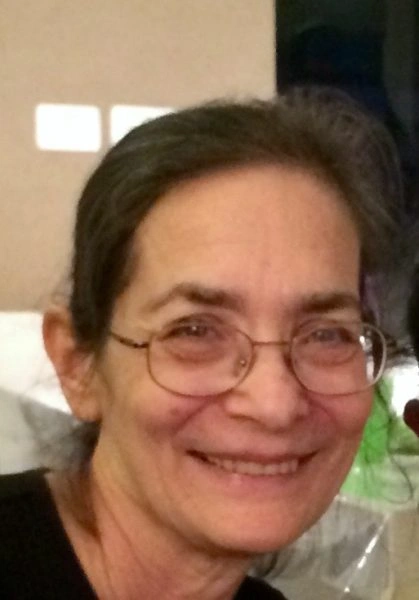
Tzur Hadassah, Israel
When I began learning Daf Yomi at the beginning of the current cycle, I was preparing for an upcoming surgery and thought that learning the Daf would be something positive I could do each day during my recovery, even if I accomplished nothing else. I had no idea what a lifeline learning the Daf would turn out to be in so many ways.

Lexington, MA, United States
I started learning at the beginning of this cycle more than 2 years ago, and I have not missed a day or a daf. It’s been challenging and enlightening and even mind-numbing at times, but the learning and the shared experience have all been worth it. If you are open to it, there’s no telling what might come into your life.
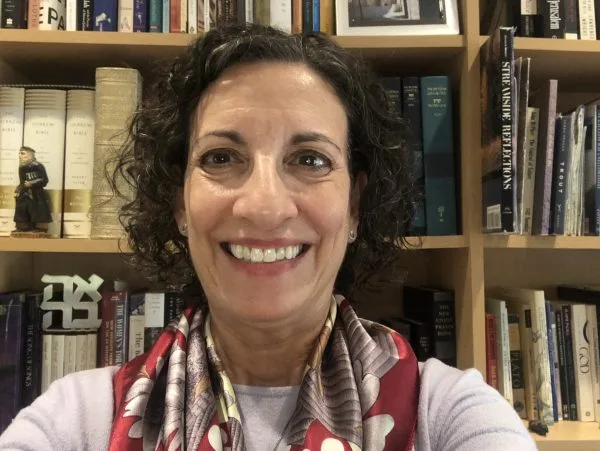
Phoenix, Arizona, United States
The first month I learned Daf Yomi by myself in secret, because I wasn’t sure how my husband would react, but after the siyyum on Masechet Brachot I discovered Hadran and now sometimes my husband listens to the daf with me. He and I also learn mishnayot together and are constantly finding connections between the different masechtot.
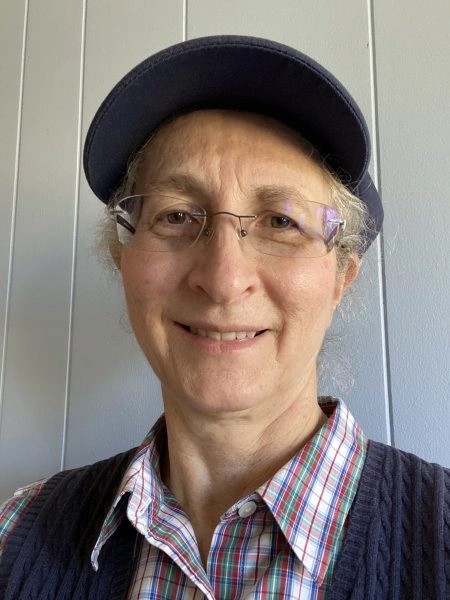
Silver Spring, Maryland, United States
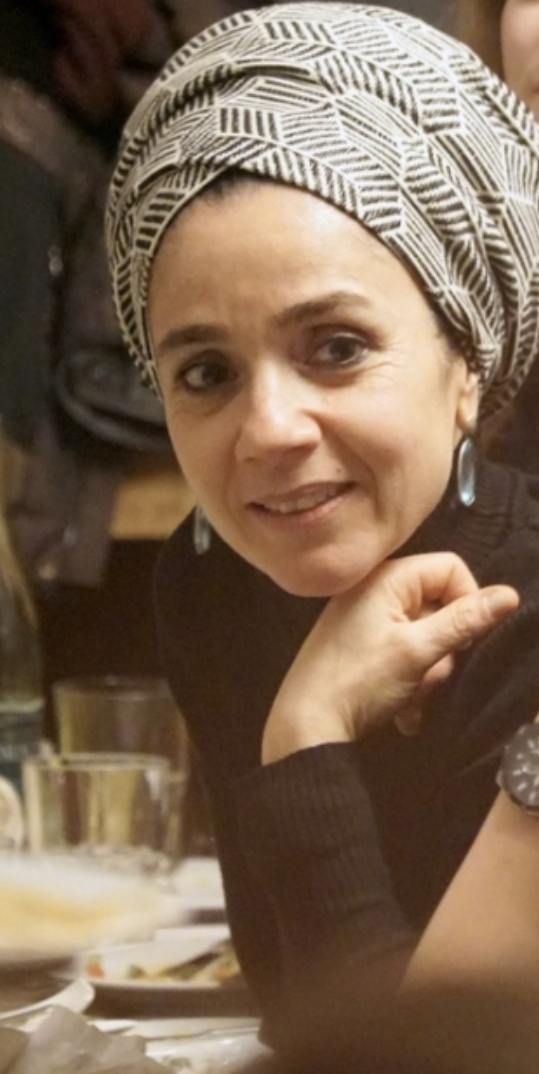
Berlin, Germany
After reading the book, “ If All The Seas Were Ink “ by Ileana Kurshan I started studying Talmud. I searched and studied with several teachers until I found Michelle Farber. I have been studying with her for two years. I look forward every day to learn from her.
Virginia, United States
My Daf journey began in August 2012 after participating in the Siyum Hashas where I was blessed as an “enabler” of others. Galvanized into my own learning I recited the Hadran on Shas in January 2020 with Rabbanit Michelle. That Siyum was a highlight in my life. Now, on round two, Daf has become my spiritual anchor to which I attribute manifold blessings.

Englewood NJ, United States
I started learning Daf in Jan 2020 with Brachot b/c I had never seen the Jewish people united around something so positive, and I wanted to be a part of it. Also, I wanted to broaden my background in Torah Shebal Peh- Maayanot gave me a great gemara education, but I knew that I could hold a conversation in most parts of tanach but almost no TSB. I’m so thankful for Daf and have gained immensely.

NJ, United States

New York, United States
I began learning with Rabbanit Michelle’s wonderful Talmud Skills class on Pesachim, which really enriched my Pesach seder, and I have been learning Daf Yomi off and on over the past year. Because I’m relatively new at this, there is a “chiddush” for me every time I learn, and the knowledge and insights of the group members add so much to my experience. I feel very lucky to be a part of this.
Karmiel, Israel
Since I started in January of 2020, Daf Yomi has changed my life. It connects me to Jews all over the world, especially learned women. It makes cooking, gardening, and folding laundry into acts of Torah study. Daf Yomi enables me to participate in a conversation with and about our heritage that has been going on for more than 2000 years.

Skokie, IL, United States
I started learning at the beginning of the cycle after a friend persuaded me that it would be right up my alley. I was lucky enough to learn at Rabbanit Michelle’s house before it started on zoom and it was quickly part of my daily routine. I find it so important to see for myself where halachot were derived, where stories were told and to get more insight into how the Rabbis interacted.

Ra’anana, Israel
Inspired by Hadran’s first Siyum ha Shas L’Nashim two years ago, I began daf yomi right after for the next cycle. As to this extraordinary journey together with Hadran..as TS Eliot wrote “We must not cease from exploration and the end of all our exploring will be to arrive where we began and to know the place for the first time.

Jerusalem, Israel
I started learning daf in January, 2020, being inspired by watching the Siyyum Hashas in Binyanei Haumah. I wasn’t sure I would be able to keep up with the task. When I went to school, Gemara was not an option. Fast forward to March, 2022, and each day starts with the daf. The challenge is now learning the intricacies of delving into the actual learning. Hadran community, thank you!

Riverdale, NY, United States
Chullin 64
עוּבְּרֵי דָּגִים.
fish embryos, i.e., fish eggs found in the fish’s innards.
וְתַנְיָא גַּבֵּי בֵיצִים: אֵלּוּ הֵן סִימָנֵי בֵיצִים – כָּל שֶׁכּוֹדֶרֶת וַעֲגוּלְגּוֹלֶת, רֹאשָׁהּ אֶחָד כַּד וְרֹאשָׁהּ אֶחָד חַד – טְהוֹרָה, שְׁנֵי רָאשֶׁיהָ כַּדִּין אוֹ שְׁנֵי רָאשֶׁיהָ חַדִּין – טְמֵאִין. חֶלְבּוֹן מִבַּחוּץ וְחֶלְמוֹן מִבִּפְנִים – טְהוֹרָה, חֶלְמוֹן מִבַּחוּץ וְחֶלְבּוֹן מִבְּפָנִים – טְמֵאָה, חֶלְמוֹן וְחֶלְבּוֹן מְעוֹרָבִין זֶה בָּזֶה – בְּיָדוּעַ שֶׁהִיא בֵּיצַת הַשֶּׁרֶץ.
The Gemara continues: And it is taught in a baraita about eggs that these are the signs of bird eggs: Any egg that narrows at the top and is rounded, so that one of its ends is rounded and the other one of its ends is pointed, is kosher. If both of its ends are rounded or both of its ends are pointed, they are non-kosher. If the albumen is on the outside and the yolk on the inside, it is kosher. If the yolk is on the outside and the albumen on the inside, it is non-kosher. If the yolk and albumen are mixed with each other, it is certainly the egg of a creeping animal. Therefore, if it is possible to recognize a kosher egg by these signs, there is no need to rely on the gentile.
לָא צְרִיכָא, דַּחֲתוּכוֹת. וְלִיבְדּוֹק בְּחֶלְמוֹן וְחֶלְבּוֹן? בִּטְרוּפוֹת בִּקְעָרָה.
The Gemara responds: No, it is necessary if the eggs have already been cut and one cannot know their original shape. The Gemara challenges: But let him inspect the yolk and the albumen, to see which is inside and which is outside. The Gemara responds: The baraita deals with a case where the eggs are mixed in a bowl, and it is impossible to discern this.
וּכְהַאי גַּוְונָא מִי זָבְנִינַן מִינַּיְיהוּ? וְהָא תַּנְיָא: אֵין מוֹכְרִין בֵּיצַת טְרֵפָה לְגוֹי, אֶלָּא אִם כֵּן טְרוּפָה בִּקְעָרָה; לְפִיכָךְ אֵין לוֹקְחִין מֵהֶם בֵּיצִים טְרוּפוֹת בִּקְעָרָה.
The Gemara counters: But in a case like this, where the eggs are mixed, may we buy eggs from them? Isn’t it taught in another baraita: One may sell the egg of a tereifa bird to a gentile only if it is mixed in a bowl; therefore, one may not buy eggs mixed in a bowl from them, because they may be from tereifot? If so, it cannot be that the baraita deals with a case where they are mixed, and one should be able to inspect the yolk and albumen.
אֶלָּא אָמַר רַבִּי זֵירָא: סִימָנִין לָאו דְּאוֹרָיְיתָא, דְּאִי לָא תֵּימָא הָכִי, הָא דְּאָמַר רַב אַסִּי: שְׁמֹנָה סְפֵיקוֹת הֵן – לִיבְדּוֹק בְּבֵיצִים דִּידְהוּ! אֶלָּא שְׁמַע מִינַּהּ: סִימָנִין לָאו דְּאוֹרָיְיתָא.
Rather, Rabbi Zeira said: The signs of a kosher egg are not valid by Torah law. As, if you do not say so, one encounters difficulty with that which Rav Asi says: There are eight birds whose kosher status is uncertain. Why is there uncertainty? Let one inspect their eggs for the signs listed in the baraita to determine whether they are kosher. Rather, learn from it that the signs are not valid by Torah law and one may not rely on them.
אֶלָּא לְמַאי הִלְכְתָא קָתָנֵי לַהּ? הָכִי קָאָמַר: שְׁנֵי רָאשֶׁיהָ כַּדִּין, אוֹ שְׁנֵי רָאשֶׁיהָ חַדִּין, אוֹ חֶלְמוֹן מִבַּחוּץ וְחֶלְבּוֹן מִבִּפְנִים – וַדַּאי טְמֵאָה. רֵישֵׁיהּ חַד חַד, רֵישֵׁיהּ חַד כַּד, וְחֶלְבּוֹן מִבַּחוּץ וְחֶלְמוֹן מִבִּפְנִים, וְאָמַר לָךְ שֶׁל עוֹף פְּלוֹנִי וְטָהוֹר הוּא – סְמוֹךְ עֲלֵיהּ. בִּסְתָמָא – לָא תִּסְמוֹךְ עֲלֵיהּ, דְּאִיכָּא דְּעוֹרְבָא דְּדָמֵי לִדְיוֹנָה.
The Gemara asks: But if one may not rely on these signs, with regard to what halakha is the baraita teaching them? The Gemara responds: This is what the baraita is saying: If both of its ends are rounded, or both its ends are pointed, or the yolk is on the outside and the albumen is on the inside, it is certainly non-kosher. But if one of its ends is pointed and one of its ends is rounded, and the albumen is on the outside and the yolk on the inside, and the gentile says to you that it is from such and such bird, and that bird is kosher, rely on the signs. But if he offers no specification of the type of bird, or if one simply finds eggs with these signs, do not rely on them, since there are crow’s eggs that resemble those of a pigeon.
אָמַר מָר: חֶלְבּוֹן וְחֶלְמוֹן מְעוֹרָבִין זֶה בָּזֶה – בְּיָדוּעַ שֶׁהִיא בֵּיצַת הַשֶּׁרֶץ. לְמַאי הִלְכְתָא? אָמַר רַב עוּקְבָא בַּר חָמָא: לוֹמַר שֶׁאִם רִיקְּמָה וְנִיקְּבָה בְּכַעֲדָשָׁה – מְטַמֵּא.
The Gemara analyzes the baraita: The Master said: If the albumen and yolk are mixed with each other, it is certainly the egg of a creeping animal and not of a non-kosher bird. The Gemara asks: For what halakha is this information necessary? Either way, the egg is forbidden. Rav Ukva bar Ḥama said: The baraita means to say that if tissue of an embryo developed [rikema] inside it and it was perforated, and one touched it, it transmits ritual impurity provided that the embryo is at least the size of a lentil-bulk, because the carcass of a creeping animal of this size is a source of ritual impurity.
מַתְקֵיף לַהּ רָבִינָא: וְדִלְמָא דְּנָחָשׁ הִיא? אֶלָּא אָמַר רָבָא: שֶׁאִם רִיקְּמָה וְאָכְלָה – לוֹקֶה עָלֶיהָ מִשּׁוּם ״שֶׁרֶץ הַשֹּׁרֵץ עַל הָאָרֶץ״.
Ravina objects to this: But perhaps it is the egg of a snake, whose carcass does not transmit ritual impurity, even though the albumen and yolk of its eggs are mixed together. Rather, Rava said: The baraita does not teach about ritual impurity, but rather that if tissue of an embryo developed inside the egg and one ate it, he is flogged on its account, due to the prohibition: “And every swarming thing that swarms upon the earth is a detestable thing; it shall not be eaten” (Leviticus 11:41).
אִי הָכִי, מַאי אִירְיָא דִּטְמֵאָה? אֲפִילּוּ דִּטְהוֹרָה נָמֵי! דְּתַנְיָא: ״כׇּל הַשֶּׁרֶץ הַשֹּׁרֵץ עַל הָאָרֶץ״ –
The Gemara asks: If so, why specifically mention the egg of a non-kosher creeping animal? The same would apply even for one who eats the embryo of a kosher bird as well. In either case, one is flogged, as it is taught in a baraita that the verse: “Every swarming thing that swarms upon the earth,”
לְרַבּוֹת אֶפְרוֹחִים שֶׁלֹּא נִפְתְּחוּ עֵינֵיהֶם! מִדְּרַבָּנַן, וּקְרָא אַסְמַכְתָּא בְּעָלְמָא.
serves to include chicks of pigeons whose eyes have not yet opened in the prohibition against consuming swarming things. The Gemara responds: This prohibition is by rabbinic law, and the verse cited is a mere support for it. One who eats the embryo of a kosher bird is not liable to receive lashes.
תָּנוּ רַבָּנַן: גִּיעוּלֵי בֵּיצִים מוּתָּרוֹת, בֵּיצִים מוּזָרוֹת – נֶפֶשׁ יָפָה תֹּאכְלֵם, נִמְצָא עָלֶיהָ קוֹרֶט דָּם – זוֹרֵק אֶת הַדָּם וְאוֹכֵל אֶת הַשְּׁאָר.
§ The Sages taught in a baraita: Kosher eggs that have been boiled with non-kosher eggs are permitted. Unfertilized eggs are permitted, and one of strong constitution may eat them, even if the hen has sat on them for a long period of time. If a drop [koret] of blood is found on it, one discards the blood, which is the first stage of an embryo’s development, and eats the rest.
אָמַר רַבִּי יִרְמְיָה: וְהוּא שֶׁנִּמְצָא עַל קֶשֶׁר שֶׁלָּהּ. תָּנֵי דּוֹסְתַּאי אֲבוּהּ דְּרַבִּי אַפְטוֹרִיקִי: לֹא שָׁנוּ אֶלָּא שֶׁנִּמְצָא עַל חֶלְבּוֹן שֶׁלָּהּ, אֲבָל נִמְצָא עַל חֶלְמוֹן שֶׁלָּהּ – אֲפִילּוּ בֵּיצָה אֲסוּרָה. מַאי טַעְמָא? דִּשְׁדָא תִּכְלָא בְּכוּלַּהּ. אֲמַר לֵיהּ רַב גְּבִיהָה מִבֵּי כְתִיל לְרַב אָשֵׁי: אִיפְּכָא תָּנֵי תַּנָּא קַמֵּיהּ דְּאַבָּיֵי, וְאַבָּיֵי הוּא דְּתָרְצַהּ נִיהֲלֵיהּ הָכִי.
Rabbi Yirmeya said: And this applies when the blood is found on its knot, i.e., the place in the albumen where the embryo begins to develop, since this proves that tissue has not developed elsewhere in the egg. And so taught Dostai, father of Rabbi Aptoriki: The Sages taught that one may eat the rest of the egg only when the blood is found on its albumen, i.e., the knot; but if it is found on its yolk, even the rest of the egg is forbidden. What is the reason for this? It is that the decay has spread through all of it. Rav Geviha from Bei Ketil said to Rav Ashi: A tanna taught the opposite before Abaye, that one may eat the rest of the egg only when the blood is found on its yolk, and it is Abaye that corrected it in this manner.
אָמַר חִזְקִיָּה: מִנַּיִן לְבֵיצַת טְמֵאָה שֶׁהִיא אֲסוּרָה מִן הַתּוֹרָה? שֶׁנֶּאֱמַר: ״וְאֶת בַּת הַיַּעֲנָה״, וְכִי בַּת יֵשׁ לָהּ לַיַּעֲנָה? אֶלָּא אֵיזוֹ – זוֹ בֵּיצָה טְמֵאָה. וְדִלְמָא הַיְינוּ שְׁמַיְיהוּ? לָא סָלְקָא דַּעְתָּךְ, דִּכְתִיב: ״בַּת עַמִּי לְאַכְזָר כַּיְעֵנִים בַּמִּדְבָּר״.
§ Ḥizkiyya says: From where is it derived that the egg of a non-kosher bird is prohibited by Torah law? As it is stated: “And the daughter [bat] of the ya’ana” (Leviticus 11:16). But does the ya’ana have a daughter whose forbidden status would be different from that of its mother? Both daughter and mother should be included in the same prohibition. Rather, which is this? This is a non-kosher egg. The Gemara challenges: But perhaps this is their name, i.e., the bird is called bat ya’ana. The Gemara responds: This should not enter your mind, as it is written: “The daughter of my people has become cruel, like the ye’enim in the wilderness” (Lamentations 4:3).
וְלָא? וְהָא כְּתִיב: ״אֶעֱשֶׂה מִסְפֵּד כַּתַּנִּים וְאֵבֶל כִּבְנוֹת יַעֲנָה״? כְּיַעֲנָה זוֹ שֶׁמִּתְאַבֶּלֶת עַל בָּנֶיהָ. וְהָא כְּתִיב: ״וְשָׁכְנוּ שָׁם בְּנוֹת יַעֲנָה״? כְּיַעֲנָה זוֹ שֶׁשּׁוֹכֶנֶת עִם בָּנֶיהָ.
The Gemara persists: And is bat ya’ana not its name? But isn’t it written: “I will make a wailing like the jackals, and a mourning like the daughters [benot] of the ya’ana” (Micah 1:8)? The Gemara responds: The verse means: I will make mourning like this ya’ana that mourns for its children. The Gemara asks: But isn’t it written: “And benot ya’ana shall dwell there” (Isaiah 13:21)? The Gemara responds: Here too, the verse means: And they shall dwell there like this ya’ana that dwells with its children.
וְהָכְתִיב: ״תְּכַבְּדֵנִי חַיַּת הַשָּׂדֶה תַּנִּים וּבְנוֹת יַעֲנָה״, וְאִי סָלְקָא דַעְתָּךְ בֵּיצָה, בֵּיצָה בַּת מֵימַר שִׁירָה הִיא? אֶלָּא, כְּתִיב ״הַיַּעֲנָה״, וּכְתִיב ״בַּת הַיַּעֲנָה״.
The Gemara asks: But isn’t it written: “The animals of the field shall honor Me, the jackals and the benot ya’ana” (Isaiah 43:20)? And if it enters your mind that the term bat ya’ana is referring to an egg, can an egg sing a song of praise to God? Rather, one must say: The ya’ana is written, and the bat ya’ana is also written, and both are acceptable names for this bird.
וְשָׁאנֵי הָכָא, דְּפָסֵק סָפְרָא לִשְׁתֵּי תֵּיבוֹת, וּמִדְּפָסֵיק לְהוּ סָפְרָא
And still, the name here is different from those of other animals, in that the scribe splits it into two words: Bat ya’ana, even though it is one species. And from the fact that the scribe splits it

